Green Travel: Wacky Eco-Friendly Accommodation

If you’re planning your next vacation, but
also want to give the environment a break, why not try a luxurious yet
eco-friendly holiday? For those travellers who like the finer things in life,
rest assured knowing that you’ll still be staying in some of the most luxurious
facilities around the globe, while reducing your carbon emissions and
environmental footprint. To get you started, be sure to check out these amazing
eco-friendly accommodation options.

Gorilla Safari & the Masai
Mara, Uganda


If you’re looking for something that’s just
a little bit different during your next holiday, why not take the adventure of
a lifetime through breathtaking Africa. The Gorilla Safari and the Masai Mara
Tour sees travellers experiencing various camp accommodation sites across
Africa. The eco-friendly tour company which runs this amazing adventure prides
themselves on giving back to nature in every way they can. Starting from the
very beginning, their offices in the UK have implemented conservation and
recycling programs to greatly reduce the waste produced, as well as their
overall impact on the environment.
Once the tour begins, guests will be
greeted by local leaders and dine on food from local suppliers, which helps to
keep a valuable source of income where it is needed – in Rwanda. Spending your
journey camping, you can rest at night knowing that you’re taking a step in
reducing the energy consumption of travellers.


Rainforest Resort Byron Bay,
Australia


Located in the lush surrounds of tranquil
Byron Bay, on Australia’s magnificent east coast, travellers would expect
nothing more than eco-friendly accommodation at its finest. While
environmentally conscious guests will enjoy the eco-friendly advancements of
this hotel, they can still enjoy the finer things in life. The secluded one and
two bedroom cottages are equipped with reverse cycle air-conditioners, with
eco-inverters, perfect for keeping cool or staying warm, while still reducing
your footprint. A qualified remedial massage and healing therapist is also
available at the resort, perfect for eliminating any nasty toxins to assist in
rejuvenating your body.
For international travellers, the easiest
way to access the rainforest landscape of Byron Bay is by car. If you are
hiring a car from the airport, be sure to check out Australian
holiday packages
options, in order to find
the best combo deals for flights, accommodation and car hire.


Dyfi Forest Tipi &Yyurt
accommodation, Wales


So, you’ve stayed in cottages and
eco-friendly resorts, but you still want to get that one step closer to nature?
Well, this if the green travelling adventure for you. Dining on organic fare
and indulging in holistic therapies, travellers will spend their evenings in
countryside tipis, amongst a large organic farm in the Dyfi Forest. This carbon
neutral accommodation option has been voted as one of the best eco-friendly
destinations in the world.
Whether you’re searching for the adventure
of a lifetime or a relaxing retreat, you can do it all by travelling green. Say
goodbye to carbon emissions and unnecessary energy usage, as you take a
positive step for travelling for the future.

Choose a Green Hotel this Summer

As the summer holidays are approaching, you may be wondering how you are going to spend it this year. Planning for a summer vacation trip? You may want to consider searching for an eco-friendly accommodation provider to add meaning to your vacation. In case you might be thinking, what is then, considered as a green hotel or resort?

Basically, they are accommodation providers that incorporate environmental friendly policies into their operations for better sustainability. Nowadays, the definition of being a supporter of sustainability has included contributing back to the society as well. Hotels that are located at an urban setting has also taken up the challenge of being eco-friendly, through simple measures like serving organic food and providing amenities in bulk instead of individual packaging. Such hotels busted past perceptions of green accommodation being just those which are located in the jungles and other natural settings.

Due to the rising number of hotels claiming to be “green”, travelers need to look out for official green certificates or labels, which are awarded by independent organizations. Greenty is one reliable website that helps you to do so, highlighting the green measures that each hotel is undertaking. Feel free to browse through our database of over 3,000 hotels that are rated subjectively by a team of green travel experts, through an assessment grid of 21 green criteria. Hopefully, you will be able to find one that meets your needs this summer.

By the way, here are some of the links to the hotels we have rated this week; enjoy the read!

Sandals Whitehouse
Sandals Montego Bay
Sandals Negril Beach Resort & Spa
Sandals Royal Caribbean
Sandals Grande Ocho Rios
Chukka Caribbean Adventures
Couples Swept Away
Couples Sans Souci
Couples Negril
Royal Plantation Spa& Golf Resort
Beaches Boscobel Resort & Golf Club
Hedonism II
The Ritz Carlton Golf & Spa Resort Rose Hall
Mövenpick Resort & Residence Aqaba
Mövenpick Resort & Spa Dead Sea
Mövenpick Resort & Spa Tala Bay Aqaba
Scandic Neringa Hotel
The Fairmont Mayakoba
Villa del Faro
El Retono Ecolodge
Posada Yum Kin
Boca de Iguanas Beach Resort
Playa Viva

Have a nice day!

Michelle

The Ocean Cleanup Project – already raised 30mUSD

We love this project – The Ocean Cleanup by 22-year-old Boyan Slat.

The Great Pacific Garbage Patch is one of the most polluted areas of
the ocean. has a potential cleanup solution. The Ocean Cleanup uses a boom to capture
plastic and keep it in areas where a boat can come and periodically
pick it up. The pipe moves with the waves and uses floating anchors.

The system should be fully deployed early in 2018.

 $30 million has been raised for the cleanup


Note: The Ocean Cleanup is a foundation that develops technologies to extract plastic pollution from the oceans and prevent more plastic debris from entering ocean waters. The organization was founded in 2013 by Boyan Slat, a Dutch born inventor-entrepreneur of Croatian origin[2][3] who serves as its CEO, and has received over $31.5 million in donations since foundation, from sponsors including Salesforce.com chief executive Marc Benioff, philantrophist Peter Thiel, Julius Baer Foundation and Royal DSM.[4] The Ocean Cleanup also raised over 2 million USD with the help of a crowdfunding campaign in 2014.[5] The foundation’s headquarters are in Delft, the Netherlands.

Useful Tips to Keep Green While Traveling

1. Choosing a green hotel

There are a number of websites that list environmentally friendly hotels, B&B’s and lodges around the world; these are a good place to start. Keep in mind that each site has its own guidelines for rating properties, so you’ll want to do your homework to make sure that the hotel meets the standards you’re looking for.

A few questions to ask before booking your hotel:

  • Is the hotel locally owned and operated? If not, is it at least staffed by local employees?
  • What kind of recycling programs does the hotel have (aluminum, plastic, paper, gray water, composting)?
  • Do guests have the option to reuse towels and sheets instead of having them changed every day?
  • What programs does the hotel have to reduce consumption? Examples include energy-efficient lighting, low-flow toilets and showers, and alternative energy sources like solar or wind power.
  • How does the hotel contribute to the local community?

2. During your stay…

Even if you’re not spending the night in an ecolodge or green hotel, there are still several easy steps you can take to make your stay more eco-friendly.

  • Keep your showers short, and shut off the water while you’re brushing your teeth.
  • When you leave the room, turn off the air conditioning, heat, television, lights or any other electric devices.
  • Reuse your sheets and towels instead of having them changed every day. Many hotels will not replace your towels if you leave them hanging up neatly; if you’re not sure, write a note for the housekeeping staff or notify the front desk.
  • Bring your own toiletries and drinking cup rather than using the prepackaged ones provided. If you do use the hotel’s toiletries, take them with you and use them at home or during the rest of your trip.
  • Know your hotel’s recycling program and sort your trash accordingly. If your hotel doesn’t recycle, consider taking your empty bottles or other items home with you to recycle them there.
  • Give your hotel feedback. Express your appreciation for any eco-friendly programs it currently offers — or if it doesn’t, encourage the management to go green in the future.

3. Getting around

Transportation — particularly air travel — is where most travelers have the biggest environmental impact. According to USA Today, a flight from New York to Denver produces as much carbon dioxide per passenger as an SUV produces in a month. To minimize your environmental footprint, try the following steps:

  • Offset the carbon emission produced by your flight.
  • For shorter trips, take the train instead of flying — especially in Europe or other regions where train service is fast and frequent.
  • When renting a car, choose the smallest vehicle that can comfortably accommodate you. Decline any “free upgrades” (which will cost you more in gas).
  • Rent a hybrid car
  • f your personal vehicle is large and not very fuel-efficient, consider renting an economy car instead. You’ll save gas and avoid putting miles on your own vehicle.
  • Whenever possible, use public transportation instead of a taxis or rental cars. Better yet, walk or bike.

4. Responsible sightseeing

When it comes to visiting the world’s most beautiful places, the old adage rings true: Take nothing but photographs, and leave nothing but footprints.

  • Travel with a tour operator that’s environmentally responsible. Before you book, be sure to ask about group size (smaller groups tend to make less of an environmental impact), whether the tours are led by locals, how the tour operator gives back to the community, and what kind of lodging is included.
  • When hiking, always stay on marked trails and maintain a safe distance from any animals you encounter. Deposit your trash in marked receptacles or take it with you when you leave. Light campfires only in established fire rings and be sure they’re completely extinguished before you leave.
  • When snorkeling, do not touch the coral or stir up sediment, as these actions can damage the reef’s fragile ecosystem.
  • Try to buy local products whenever possible instead of those that have been flown or shipped in from overseas. You’ll support the local economy and get a taste of native cuisine. Do not, however, buy souvenirs or other products made from endangered animals or plants — in most cases you can’t get them through Customs anyway.
  • Treat the locals with respect. Learn a few words in the native language, be open to cultural differences, and read up on the area before your trip so you’re sensitive to issues of dress and behavior.
  • Consider taking a volunteer vacaton to give back directly to the place you’re visiting.

Villa-Bali.com launches GECO project … Bali needs our help!

image 3.jpg

If you have been to Bali, you would probably know what a stunning island it is. Also known as paradise island to some, it has always been well known for its picturesque scenery, delicious food and warm-hearted locals that would offer assistance to you anytime. If you have never been to Bali, I am sure a picture speak a thousand words..

IMG_0574.JPG

However, sorry to burst your bubble, this gorgeous beach that you’re looking at now, just like the other beaches in Bali, may be destroyed by the presence of rubbish soon.

In 2015, Indonesia is the fifth fastest growing economy in 2015. The amazing progress of the economic growth and rise in population number has increased the growth consumption (and waste) which also resulted in the lack of development of public services, leading to the common sight of rubbish littered all around the streets and waterways.
image 1.png
Around 10 000 cubic meters of garbage (12 percent of plastic waste, 17 percent of inorganic waste and 71 percent of organic waste) is produced every day in Bali. The horrifying part is due to the lack of public services, 50 percent of this mountain of waste is left neglected and being thrown onto the roads, in open dumps and rivers that eventually lead them into the ocean! At this rate.. one day we might be surfing in a sea filled with plastic bags…. left over food…. dead fish…. plastic bottles and more. Waste mismanagement is a serious issue that can potentially result in health issues due to the ecological damage such as soil and water contamination. Adding on with the fact that plastic takes 500 years to decompose which is a timespan of 6 generations…. Definitely make this situation worse.

So, why should you be concerned? According to a general study, while a local produces around 0.5 kg of garbage per day, a tourist produces around 2 to 5 kg of garbage daily.  If all travellers play a part in reducing rubbish, we can create noticeable impact to the waste issues in Bali.

Being in the tourism industry – which is strongly dependent on Bali’s natural assets such as the amazing beaches, rice fields and more – Villa-Bali.com, the leader of villa rentals industry in Bali, has decided to step forward and make a change to give back to this beautiful island that has brought our clients endless of unforgettable memories. By launching the GECO project which consists of implementing small actions that can be easily integrated in villas, Villa-Bali.com hopes to raise awareness and create a ripple effect of more people being involved in Bali environmental issues.

image 2.jpeg

Under GECO project, villas are required to set up a waste management system and send their staff for training to learn about proper waste sorting. Villas staff will also be provided reusable bags from us so as to replace the use of plastic bags. In addition to these, Villa-Bali.com has created an eco-friendly checklist for any interested villa owners to follow and collated the green companies in Bali to form a green directory so as to provid clear direction and guidance to any villa owners, residents and businessess that may be keen in going green.

It is a small step but every step counts and we hope that you will join and walk with us on this journey.

Explore Canada

Every year, more than 35 million people visit Canada to enjoy the many opportunities our country has to offer, including visiting family and friends.

Canada is the 2nd largest country and the world and stretches from the Atlantic Ocean in the east to the Pacific Ocean in the west and to the Arctic Ocean in the north. Within this vast country full of natural wonder there are countless opportunities for the eco-traveller to experience ecotourism at its finest. Canada is most famous for its mountains, in particular the Rocky Mountain range. Another fantastic ecotourism choice is the Bruce Trail system that spans the Niagara Escarpment in the province of Ontario. While in this area do not miss the opportunity to visit Point Pelee Provincial Park. This is the southernmost tip of Canada and is home to a variety of flora and fauna not to be found anywhere else in Canada. As you travel west across Canada searching for ecotourism experiences, the province of Alberta will not disappoint. Alberta offers a variety of Aboriginal experiences and attractions, celebrating the recorded history of its first inhabitants more than 12,000 years ago. From celebrated provincial historic sites to little-known historic spots, there are a variety of opportunities for eco-travelers to explore Alberta’s history and cultural roots.

More details on visa here : http://www.cic.gc.ca/english/visit/index.asp

Beach House Maldives- Restoring the Coral Reefs of the Maldives

June 2011- In keeping with the old adage ‘leave nothing but footprints, take nothing but photos’ Beach House Maldives, a Waldorf Astoria Resort offers its guests a perfect memento of their stay: a patch of coral reef to call their very own.

For $150, the luxury resor’s coral reef regeneration project allows guests to select and “plant” a small area of coral reef in the Indian Ocean where it will grow and thrive. Particularly popular with newlyweds and honeymooners at the resort, the creation of a path of reef only takes about an hour, although the benefits will last a lifetime.

“Coral reefs are one of the most spectacular and fragile environments on this planet”, says General Manager Frederic Lebegue. “Coral that takes decades to grow can be destroyed so easily which is why we support this project to transplant and re-grow the coral at Beach House Maldives, a Waldorf Astoria Resort.”

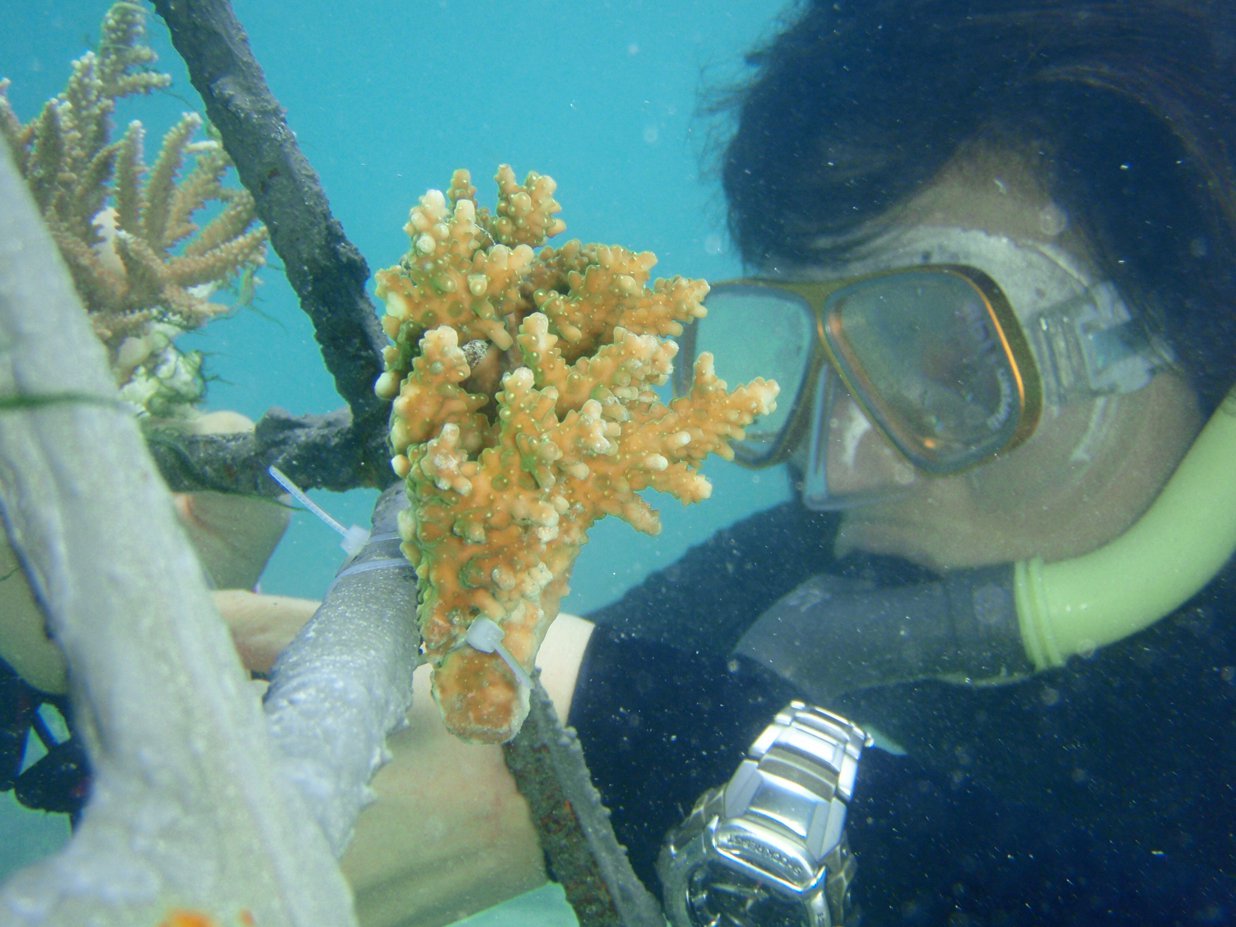
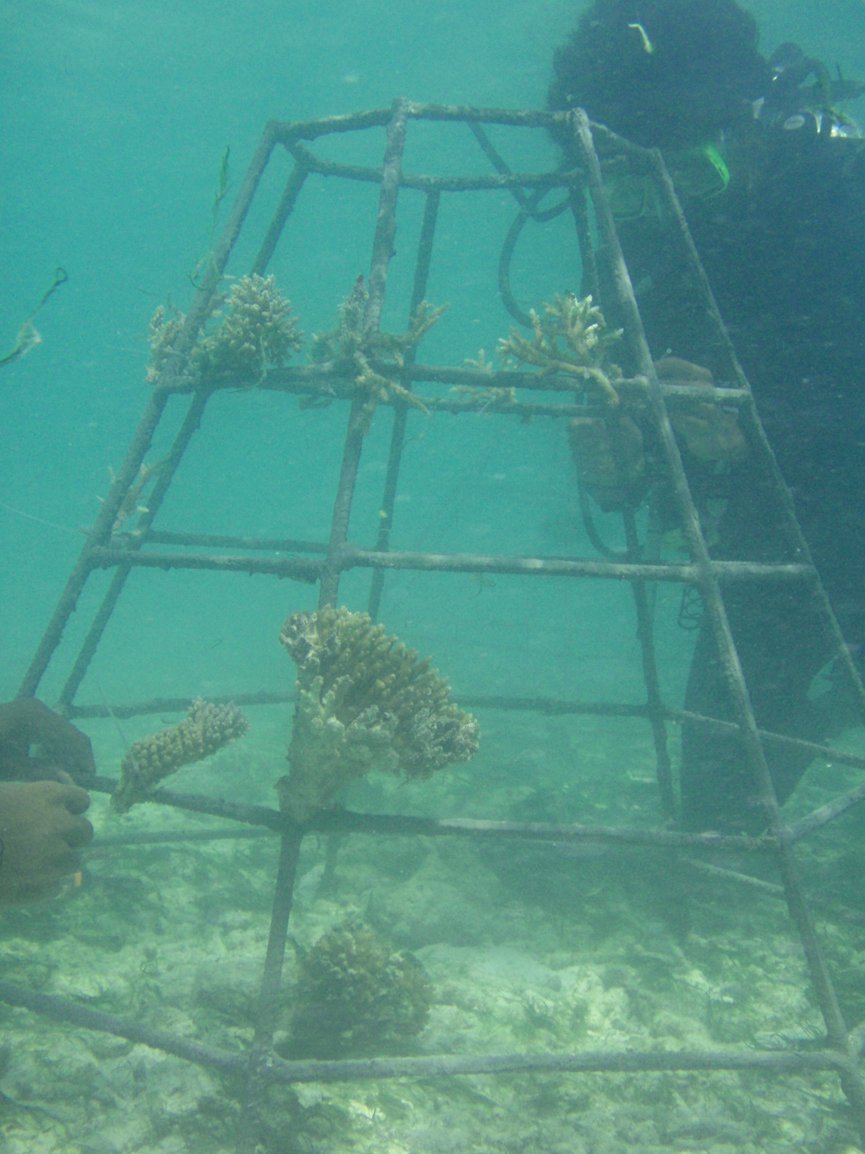
The coral reef regeneration project is spearheaded by Seamarc, a Maldives-based marine consultancy who has developed a successful coral propagation technique that shows remarkable growth. The resort’s resident marine biologist harvest living but damaged or threatened corals from the surrounding waters. These are then attached by guests to a lightweight pyramidal substrate frame structure and transplanted in the resort’s lagoon thereby replenishing old habitats and creating new areas of a reef. Guests can follow the progress of their reef by logging into a dedicated website where they watch it as it grows throughout the years.

As well as being one of the world’s best holiday souvenirs, planting a coral reef makes a significant social and environmental impact on the country. “The Maldives depend on tourism and fishing which are the two largest contributors to the economy, both of these industries rely on the continued existence of healthy, vibrant reefs that are as appealing to tourists as they are to the fish that live in them. It is also important to remember that a coral reef surrounding an island protects it from wave action and erosion,” says Lebegue.

Beach House Maldives, a Waldorf Astoria Resort, is located on the pristine, lagoon-ringed Haa Alifu Atoll and is fringed by powder-white beaches and complemented with an unspoilt jungle-filled interior. The 35-acre resort compromises 83 Maldivian-style villas, three restaurants, three bars, and a luxurious spa. Each villa comes complete with a private pool and butler.

Towards green accommodations in Singapore? The Siloso Beach Resort leads the way.

The Siloso Beach Resort, located within the island of Sentosa, in Singapore, is the example to follow regarding ecological accommodations hotels shall focus on providing.
Proving that going for green does not reduce the comfort customers are entitled to expect, this hotel has been logically rewarded with the most prestigious awards concerning ecological travels (Singapore Environmental Achievement Award,TUV Certification, Singapore Environment Council Award, Singapore Compact Award, Singapore Sustainability Award).
Their motto? Building with Nature. Looking at what they now propose to their customers, thinking differently would appear a clear waste of efficiency: pool filled with natural spring waters, room nested from the natural landscape, educational communication toward both their staff and their customers.
Check out for more directly at http://bit.ly/ybVwpi
and understands how Green hotels and Singapore are meant to work together for the benefits of the whole travelling community.

Green Energy: The Resources That Power Sustainable Hotels

Green energy is an overarching term used to describe power
that comes from natural, renewable resources. By utilizing resources that are
readily available and easy to replenish, we can cut our dependence on fossil
fuels and reduce our carbon footprints. Many hotels have switched to using
these renewable sources of energy, making them a great option for sustainable
travel.
Unlike energy created from coal and oil, green energy emits
far less pollution and therefore has a smaller impact on the environment. In
the past few decades, green energy production has significantly increased as we
find new ways to harness the resources that are abundantly available to us. Read
on to discover the different types of green energy in use today.

Solar Power

Harnessing the energy from the sun started out as a way to
power satellites and telescopes. Now, solar energy is used to power homes,
buildings and many devices such as calculators. Unlike conventional fossil
fuels, producing solar power emits no harmful emissions. With the sun as a
power source, solar energy is an infinitely renewable resource that can be used
anywhere the sun shines.
Solar energy is created through the capture of the sun’s
energy or heat through a series of mirrored panels. These panels, often
referred to as solar panels, are quiet and easy to operate, making them a great
energy alternative to powering your home or business. Plus, investing in solar
panels is a good way to cut down on energy costs and minimize your carbon
footprint.

Hydropower

Hydropower is generated through the energy of moving water. Most
hydroelectric power plants use dams, forcing water into a turbine. The running
water then spins the turbine, generating electricity. To date, hydropower is the
largest renewable energy source in the United States, representing 6 percent of
our electric supply. In fact, thousands of streams and rivers have been dammed
to produce this hydroelectricity.
Something to consider with hydropower is the environmental impact
it has on wildlife. Building dams can be harmful to aquatic ecosystems,
affecting the lives of fish and other wildlife that depend on the water source.
However, dam building has slowed greatly over the past few decades as the best
sites for generating hydropower are already in use.

Wind Energy

We all know that wind can be a powerful force, so it makes
sense that harnessing its energy would be a great alternative to power plant-generated
energy. Wind energy is gathered through a wind turbine, which basically looks
like a giant fan. As wind hits the turbine, it rotates the blades, transferring
energy to the turbine’s generator.  The
generator then converts the energy into electricity and delivers it to a power
grid.
Unlike the use of fossil fuels, harnessing wind energy does
not produce pollution and is an abundant option for energy. While most energy
is produced in wind farms, smaller versions of wind turbines are also available
to power your home. If your city permits it, consider placing a turbine in your
yard to cut or eliminate your electricity bill and reduce your environmental
impact.

Geothermal Power

Oil is not the only thing under the earth’s surface that is
capable of powering the planet. Steam and hot water located below the surface
can be captured to generate geothermal energy.
When magma gets close to the surface, it heats underground water
sources, creating a high energy content. By drilling into these pockets of
water, the energy can be harvested and converted into electricity.
So far, geothermal energy has been a relatively unexplored
energy alternative. Unfortunately, geothermal development could have some
serious environmental issues. For instance, drilling wells deep enough to
harness this energy may increase seismic activity. There is also the worry that
drilling could contaminate groundwater, making it harmful to drink.

Biogas

Biogas is generated through decomposing bacteria in animal
manure. While it may seem like a disgusting idea, using animal waste for energy
reduces water contamination and harmful emissions caused by manure. Biogas is
largely used on the farms where it’s created. Farmers use the converted energy
to power their farms and heat their water. They also use the leftover manure as
fertilizer for their crops.